
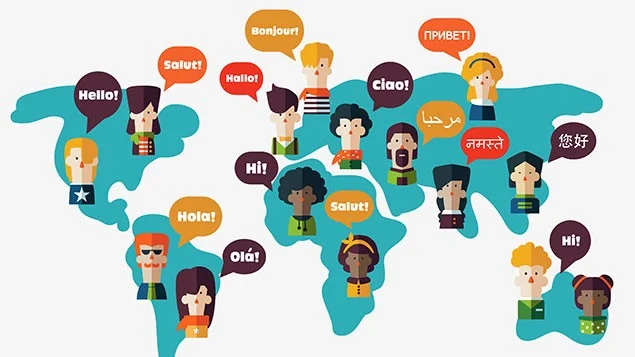
As technology continues to bridge distances and connect people across borders, apps are no longer built solely for a single region or language group. Whether it’s a productivity tool, a financial service, a health-tracking app, or a global entertainment platform, users today expect digital experiences that feel personal, accessible, and tailored to their needs. At the heart of this expectation lies one major factor: language. And it’s one of the strongest drivers of global app adoption.
Multi-language support is no longer an optional enhancement—it has become a central design element for developers who want their apps to perform well in diverse markets. When users can interact with an app in a language they understand best, their confidence, engagement, and willingness to continue using the platform increase dramatically. But the benefits run much deeper than simply translating words on the screen.
This article explores, in depth, why multi-language features increase app adoption, how they impact user behavior, the psychology behind language familiarity, and why developers who prioritize localization gain a competitive advantage. Through practical insights and real-world industry examples, we’ll look at the many layers behind this powerful feature and why it drives growth across markets worldwide.
1. Language Is the First Layer of User Experience
Before users explore features, workflows, or navigation, they encounter the interface’s language. This first impression determines whether they stay, struggle, or immediately uninstall the app. Multi-language support therefore contributes directly to the onboarding experience.
Reduced Cognitive Load
When an interface uses unfamiliar terminology, every step becomes mentally taxing. Buttons seem confusing, instructions require guessing, and warnings may be misinterpreted. Cognitive overload leads to frustration, and frustrated users rarely stay.
Multi-language support eliminates this friction by allowing users to process content quickly in a language that feels natural.
Faster Onboarding and Setup
Apps with complex or multi-step registration flows—such as banking apps, trading platforms, or health dashboards—benefit even more from localization. A translated onboarding sequence allows users to:
- complete forms more accurately
- understand permissions and privacy policies
- grasp core functionalities sooner
- feel confident using the app right away
When early confusion is removed, adoption increases immediately.
2. Multi-Language Support Expands the Global User Base
The simplest reason multi-language features increase adoption is scale. English-speaking users represent only a fraction of the world’s population. Many users can understand English passively, but prefer using their mother tongue for important tasks.
Reaching Non-English-Dominant Regions
Countries with large non-English-speaking populations—India, Brazil, Indonesia, Japan, Mexico, Germany, and more—often show dramatically higher adoption rates when apps offer localized interfaces.
An app that supports 10, 20, or even 50 languages isn’t just translated—it becomes culturally adaptable, making it suitable for audiences who might have previously ignored it due to language barriers.
Emerging Market Growth
Many of the world’s most rapidly expanding digital markets are in regions where English use is limited. Supporting local languages opens opportunities in areas where smartphone adoption is booming. This leads to:
- higher installation rates
- stronger retention
- more organic referrals
- better revenue potential
As economies digitize, the demand for localized apps will only grow.
3. Users Trust Apps That Speak Their Language
Trust is a major factor in user adoption, especially for apps related to finance, health, personal data, or education. When users encounter an app in their native language, they feel more secure.
Perception of Professionalism
A localized app communicates professionalism and care. Users naturally believe the product was built with them in mind. This enhances brand reputation and increases willingness to explore paid features.
Understanding Legal and Security Information
Consent forms, payment confirmations, and privacy notices require clarity. When these appear only in English—or poorly translated English—users hesitate. But when written in their native language, they can:
- fully understand what they are agreeing to
- feel confident sharing sensitive data
- trust transactions and purchases
- perceive the brand as compliant and transparent
Trust directly impacts adoption and long-term retention.
4. Cultural Relevance Leads to Better Engagement
Localization is more than translation—it includes respect for cultural norms, idioms, humor, and expectations. This connection helps users feel seen and understood.
Examples of Cultural Localization
- Using familiar date formats (DD/MM/YYYY vs. MM/DD/YYYY)
- Adapting color symbolism (some cultures associate white with purity, others with mourning)
- Adjusting imagery or characters
- Reflecting local events, holidays, or regional celebrations
When users identify cultural familiarity, they engage more deeply with the app and are more willing to continue using it regularly.
5. Reduced User Drop-Off and Higher Retention
One of the leading causes of early app abandonment is confusion—and language misunderstandings contribute heavily. With multi-language support, users spend less time figuring out what each feature does, reducing abandonment.
Clear Instructions Reduce Errors
Users follow steps correctly when they understand:
- which button performs which function
- how to manage settings
- how notifications work
- where to get support
This eliminates the trial-and-error frustration that often leads to churn.
More Personalized Experience
Language preference is part of a personalized digital environment. When an app recognizes this preference and maintains consistency across updates or devices, users develop a sense of belonging.
Retention increases when users feel the app “fits” them.
6. Word-of-Mouth Growth Is Stronger With Localized Apps
People naturally share tools they find useful, but language plays a major role in how easily an app spreads through communities.
Localized Apps Spread Faster Among Peers
If users know their friends or family can use an app without struggling with English, they are more likely to recommend it. This type of referral is powerful in:
- community networks
- workplaces
- online groups
- classrooms
- families
Multi-language support amplifies organic growth, lowering marketing costs while increasing adoption.
Influencer and Content Creator Reach
Local influencers can only promote apps effectively if the interface supports their audience’s language. Localization fuels stronger marketing campaigns and community uptake.
7. Better Customer Support and Self-Service Experience
Support interactions are smoother when language barriers are removed. Users are more satisfied and less frustrated when they can fix issues on their own.
Localized Help Centers
Offering help articles, FAQs, bot responses, and tutorials in multiple languages allows users to seek solutions without external assistance. This leads to:
- fewer support tickets
- faster resolutions
- better app ratings
- increased reliability perception
Fewer Misunderstandings
Users who misunderstand instructions often blame the app. Localized support minimizes these mistakes, creating a more seamless user experience.
8. Increased Monetization and Revenue Potential
Adoption is closely tied to revenue. When users feel comfortable using an app, they’re more likely to make purchases, subscribe to services, or use premium features.
Higher Conversion Rates
Users purchase more when:
- product descriptions are clear
- pricing details are understood
- discounts are explained
- subscription terms are transparent
People hesitate to spend money when translation issues cause uncertainty. Multi-language support removes these doubts.
Localized Pricing
Localization often goes hand in hand with:
- region-specific pricing
- local tax rules
- localized currency
- promo timing aligned with regional events
Combined, these features significantly increase revenue growth.
9. Accessibility and Inclusivity as Major Adoption Drivers
A multilingual app helps users who:
- are not fluent in English
- have limited literacy in secondary languages
- prefer reading and processing content in their mother tongue
- have neurological conditions that make foreign-language processing difficult
Language accessibility is a form of digital inclusivity. When apps embrace this approach, they support a broader demographic and encourage participation from groups that might otherwise be excluded.
10. Competitive Advantage in Crowded Markets
Most app categories—from fitness to finance—are saturated with choices. When two apps offer similar features, language support often becomes the deciding factor.
Differentiation Through Localization
An app available in only one language is limited, regardless of quality. Meanwhile, a competitor that supports dozens of languages immediately appeals to a global audience.
Multi-language support becomes a competitive weapon that:
- differentiates the brand
- increases global visibility
- attracts international partners
- improves overall market standing
Apps that invest in localization early build a long-term advantage.
11. Enables Expansion Into Local App Stores and Regional Markets
Some countries have strict rules or strong preferences for local-language apps. Supporting these languages helps companies meet regulatory or market expectations.
Better Placement in App Stores
Localized apps benefit from:
- better visibility in regional categories
- higher placement in country-specific rankings
- more relevant keyword matching
- greater appeal in local editor’s picks
Store optimization (ASO) is more effective when keywords, descriptions, screenshots, and videos are translated correctly.
12. Encouraging Cross-Cultural Learning and Interaction
Multi-language features don’t just help individuals—they create environments where users from different cultures interact more comfortably.
Examples of Cross-Cultural Benefits
- International communities grow stronger in social apps
- Marketplace buyers and sellers communicate more easily
- Gaming communities become more welcoming
- Educational apps attract multi-national learners
This broadens an app’s ecosystem and naturally increases adoption.
13. Lower Learning Curve for Complex App Categories
Certain app categories require explanation, tutorials, or guidance. Multi-language support is especially important for:
- investment platforms
- tax or finance apps
- government service apps
- educational platforms
- learning management systems
- medical apps
- technical productivity tools
When explanations are clear, users learn more quickly and adopt apps more readily.
14. Better Reviews and Higher App Store Ratings
Reviews often reflect user satisfaction or frustration. When language barriers cause confusion, negative reviews pile up. Conversely, localization yields:
- clearer feedback
- fewer complaints
- higher average ratings
- better long-term reputation
Better ratings directly drive app store visibility and adoption.
15. Encourages Government and Enterprise Partnerships
Many governments and enterprises require tools that support their official languages. Multi-language features open doors to:
- corporate licensing
- school programs
- government integrations
- NGO partnerships
- regional sponsorships
These partnerships bring thousands—or millions—of new users at once, greatly boosting adoption.
16. The Psychological Comfort of Using One’s Own Language
Perhaps the most important factor is psychological. People have strong emotional ties to their native language. It affects how they:
- think
- learn
- solve problems
- trust information
- express identity
Using an app in one’s own language creates a comfort zone that encourages continued usage.
Language is more than a convenience; it’s a part of identity. When apps respect this, adoption naturally increases.
Conclusion: Multi-Language Features Are Essential for Modern App Growth
Multi-language support is not just a translation exercise—it’s a strategic investment that impacts nearly every aspect of an app’s lifecycle. From onboarding to engagement, user trust to monetization, global scaling to community-building, language plays a central role in shaping how people interact with digital experiences.
Apps that support multiple languages:
- reach larger and more diverse audiences
- create deeper emotional resonance
- build trust and loyalty
- improve retention
- increase conversions
- grow organically
- outcompete single-language alternatives
In a world where mobile apps serve billions of users across hundreds of cultures, multi-language support is no longer optional. It is essential for adoption, growth, and long-term success.
If developers want truly global products, speaking users’ languages—literally—is the most powerful step they can take.




Leave a Reply